China-Australia trade reached AUD $295 billion in 2024, according to the Australian Bureau of Statistics, making professional logistics solutions essential for businesses navigating this complex corridor. A reliable China to Australia Freight Forwarder delivers cost optimization, customs expertise, and real-time tracking that transforms shipping challenges into competitive advantages. Are you maximizing your supply chain’s potential in this vital trade relationship ?
Understanding the Fundamentals of Cross-Pacific Shipping
Cross-Pacific shipping between China and Australia represents one of the world’s most vital trade corridors, with bilateral trade reaching $291 billion in 2024 according to the Australia-China Business Council. This dynamic route connects Asia’s manufacturing powerhouse with Australia’s resource-rich economy, creating opportunities for businesses of all sizes.
A voir aussi : Expert carpet cleaning london: restore and refresh your home
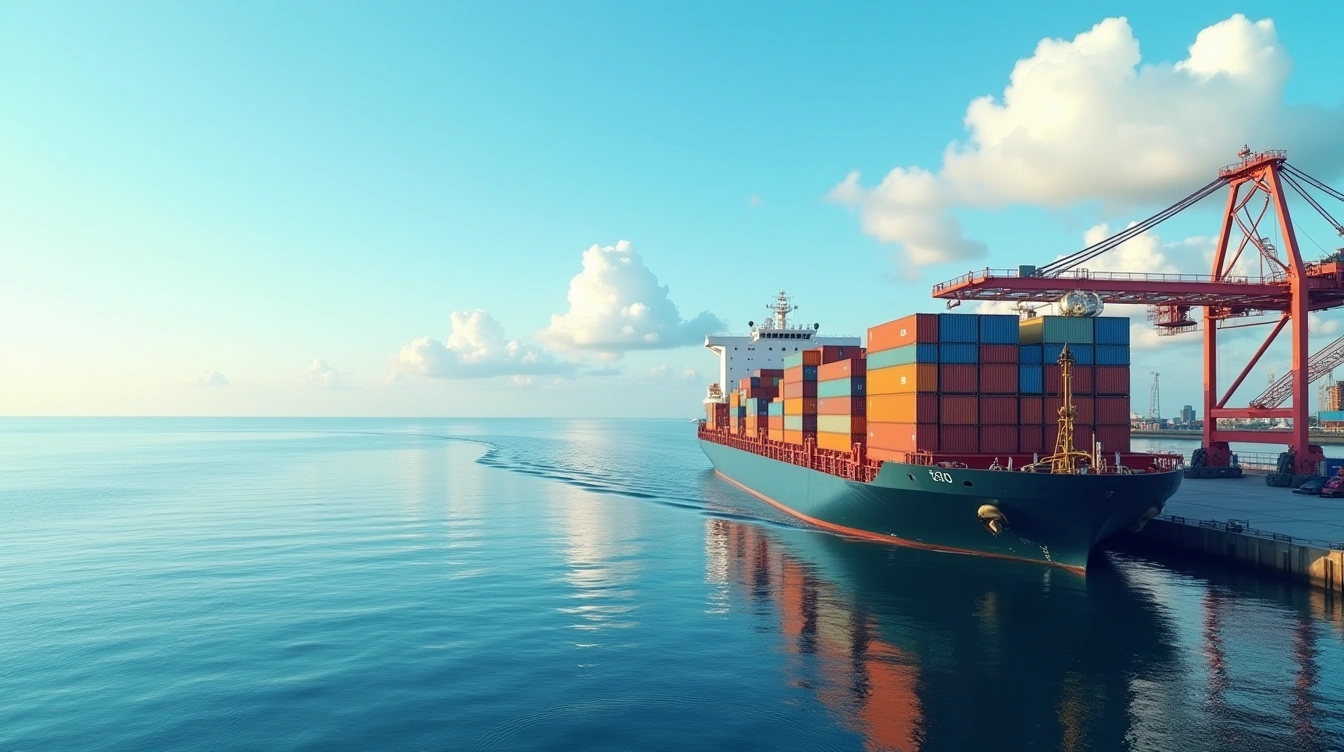
Maritime transport dominates this corridor, offering the most cost-effective solution for bulk shipments. Container vessels typically take 12-20 days to traverse the Pacific, depending on the departure port and final destination. Major Chinese ports like Shanghai, Ningbo, and Shenzhen connect seamlessly with Australian terminals in Sydney, Melbourne, and Brisbane.
Air freight provides the fastest alternative when time sensitivity outweighs cost considerations. Express air services can deliver goods within 3-7 days, making them ideal for high-value electronics, medical supplies, or urgent inventory replenishment. However, air transport costs significantly more than sea freight.
A découvrir également : Discuss your event needs with an agency in Paris
The complexity of cross-border regulations, customs procedures, and documentation requirements makes partnering with an experienced China to Australia Freight Forwarder essential for smooth operations and compliance assurance.
Key Benefits of Choosing the Right Freight Forwarder for China-Australia Shipments
Selecting the right freight forwarder for your China-Australia trade can transform your logistics operations from a complex challenge into a competitive advantage. The right partner brings specialized expertise and proven systems that streamline every aspect of your shipping process.
Here are the key benefits that make partnering with an experienced freight forwarder essential for your business success:
- Cost optimization through consolidated shipments and negotiated carrier rates that individual shippers cannot access
- Regulatory expertise ensuring compliance with both Chinese export and Australian import requirements
- Real-time tracking capabilities providing complete visibility throughout your shipment’s journey
- Risk management with comprehensive insurance options and contingency planning for potential delays
- Shipment consolidation services that reduce costs and improve efficiency for smaller cargo volumes
- Customs clearance support handling complex documentation and reducing clearance delays
- Time savings by managing all logistics coordination while you focus on core business activities
These advantages become particularly valuable when dealing with the complexities of cross-border trade between China and Australia, where regulatory requirements and distance create unique challenges that require specialized knowledge.
Cost Optimization and Transit Time Management
Shipping costs and delivery times represent the two most critical factors in China-Australia logistics operations. These elements directly impact your business profitability and customer satisfaction. Understanding how various factors influence these metrics enables informed decision-making for your supply chain strategy.
The choice of transportation mode significantly affects both cost and timing. Sea freight offers the most economical solution for large volumes, with transit times ranging from 15-25 days depending on the port combination. Air freight delivers goods within 3-7 days but at considerably higher rates, making it ideal for urgent or high-value shipments.
Experienced logistics providers optimize these crucial aspects through strategic route planning and consolidation services. They leverage established relationships with carriers to secure competitive rates while maintaining reliable schedules. Volume consolidation reduces per-unit costs, while advanced tracking systems provide real-time visibility throughout the journey.
Seasonal fluctuations, fuel prices, and port congestion also influence costs and transit times. Professional freight forwarders anticipate these variables and adjust strategies accordingly, ensuring consistent performance regardless of market conditions. This expertise proves invaluable for businesses seeking predictable logistics outcomes.
Navigating Customs and Documentation Requirements
The complexity of China-Australia customs procedures can overwhelm even experienced importers. Multiple documentation requirements, varying regulations, and strict compliance standards create potential delays that cost time and money. Professional freight forwarders understand these intricate processes and navigate them seamlessly on your behalf.
Essential documentation includes commercial invoices, packing lists, certificates of origin, and bills of lading. Australian customs also requires specific permits for certain product categories, quarantine certificates for food items, and compliance with Australian Consumer Law standards. Each document must meet precise formatting requirements and contain accurate product classifications.
Experienced logistics providers maintain current knowledge of regulatory changes and seasonal restrictions that affect China-Australia trade. They prepare documentation in advance, coordinate with customs authorities, and handle any issues that arise during clearance. This expertise prevents costly delays and ensures your shipments meet all compliance requirements.
Working with seasoned professionals means accessing established relationships with customs officials and understanding local procedures at both origin and destination ports. Their experience translates into smoother clearance processes and faster delivery times for your business operations.
Technology and Tracking Capabilities in Modern Freight Management
Modern freight management has transformed the China-Australia shipping corridor through advanced tracking systems that provide unprecedented visibility throughout the entire logistics chain. Real-time monitoring capabilities now allow businesses to track their shipments from departure in Chinese ports to final delivery across Australia’s major cities.
Integrated management systems combine GPS tracking, RFID technology, and cloud-based platforms to create a comprehensive oversight network. These technologies enable freight forwarders to monitor container locations, temperature conditions for sensitive goods, and potential delays before they impact delivery schedules.
The integration of artificial intelligence and machine learning algorithms has revolutionized route optimization and predictive analytics. These systems analyze historical data, weather patterns, and port congestion to recommend the most efficient shipping routes and anticipate potential disruptions.
Customer portals and mobile applications provide direct access to shipment status, documentation, and automated notifications. This digital transparency eliminates the need for constant phone calls and emails, allowing businesses to focus on their core operations while maintaining complete visibility over their international shipments.
Advanced customs clearance systems now integrate directly with tracking platforms, automatically updating shipment status as goods progress through inspection and processing stages at both Chinese and Australian ports.
Common Questions About China-Australia Freight Services
Shipping from China to Australia involves numerous considerations that can impact both cost and delivery times. Understanding these key aspects helps businesses make informed decisions about their freight forwarding needs.
How much does it cost to ship goods from China to Australia?
Shipping costs depend on weight, dimensions, service type, and destination city. Sea freight ranges from $300-800 per cubic meter, while air freight costs $4-8 per kilogram typically.
What is the average transit time for freight from China to Australia?
Sea freight takes 15-25 days door-to-door, while air freight delivers in 3-7 days. Express services can achieve 2-4 days but at premium rates.
Do I need a freight forwarder or can I ship directly from China to Australia?
Freight forwarders simplify customs clearance, documentation, and logistics coordination. They provide cost savings through consolidated shipments and handle regulatory compliance efficiently for businesses.
What documents are required for customs clearance from China to Australia?
Essential documents include commercial invoice, packing list, bill of lading, certificate of origin, and import permits if required for specific goods categories.
How can I track my shipment from China to Australia in real-time?
Professional freight forwarders provide online tracking portals with real-time updates on shipment location, customs status, and estimated delivery dates throughout the journey.